Top 10 Most Common Hearing Aid Issues & Quick Fixes | Hearing Aid FAQ Guide
Shopping for and wearing hearing aids often brings frustrating troubles—annoying feedback squeals, sore ears, weak sound, wind noise, constant battery drain and more. For users across North America and Europe, these small issues can ruin daily listening experience and make you reluctant to wear your device regularly. Below we’ve sorted the 10 most frequently asked questions from our customers, with practical troubleshooting tips and a premium OTC BTE solution: Retekess TE202, built to eliminate most of these common pain points from the start.
Q1: Why does my hearing aid keep whistling / how to stop feedback?
Feedback (sharp high-pitched squealing) usually happens when amplified sound leaks out of your ear canal and re-enters the microphone. Common triggers: ill-fitting ear tubes, loose ear tips, or adjusting volume while putting the aid on.
Quick fixes: Re-adjust the ear tube to seal your ear fully; lower volume temporarily during wearing; replace worn silicone domes.
For long-term relief: Choose devices equipped with professional feedback suppression. Retekess TE202 adopts an advanced adaptive echo cancellation algorithm, which suppresses whistling without cutting audio gain, so your voice listening stays smooth all day. It also features a 10-second delayed safe startup to prevent sudden squeaks when you first place it on your ear.
Q2: My ears feel sore and uncomfortable after all-day wear
Discomfort mainly comes from poorly shaped ear tubes, overly hard silicone accessories or improper tube length.
Quick fixes: Trim the tube to fit your ear cavity; swap soft replacement ear domes; take short breaks every 2–3 hours.
Retekess TE202 solves this fundamentally with ergonomic OE non-slip tubing. You can freely cut the tube to match your ear size, and the lightweight shell avoids heavy pressure behind ears for all-day comfortable wear.
Q3: Sudden loud noises hurt my ears (car horns, door slams, fireworks)
Basic hearing aids amplify all sound equally, so transient sharp sounds easily exceed your ear’s pain threshold and risk secondary hearing damage.
Quick fixes: Turn down volume before going outdoors; stay away from noisy crowded areas.
Better solution: Retekess TE202’s exclusive transient strong sound blocking engine recognizes impact noise within 1ms and limits output to a safe 70dB SPL automatically. It blocks harsh bursts while keeping normal speech clear, perfect for busy city and outdoor users.
Q4: Too much wind noise when walking outside
Wind blowing into microphones creates messy static that drowns out human speech.
Quick fixes: Block the mic lightly with your hand when facing strong wind; avoid running with aids on.
Retekess TE202 integrates professional wind noise suppression. It analyzes signal correlation from dual microphones to identify wind interference and smooth out static without distorting surrounding voices.
Q5: Background chatter overwhelms speech in restaurants
Many cheap hearing aids amplify all noise together, making conversations impossible in busy spaces.
Quick fixes: Move to quieter corners; lower overall volume.
Retekess TE202 carries multi-subband adaptive noise suppression. It independently filters ambient clutter while highlighting human voice, plus 32 ED environment detection channels to auto-adjust audio processing for dining, traffic and indoor scenes.
Q6: Battery dies too fast, frequent charging is annoying
Small in-canal models have tiny power cells that require daily charging or frequent battery replacement.
Quick fixes: Turn off the aid when not in use; fully charge before outdoor trips.
Retekess TE202 comes with a magnetic portable charging case delivering up to 80 hours of total combined runtime. You only need to recharge the case every few days, ideal for travel, long outings and seniors who hate frequent charging routines.
Q7: Muffled, unnatural sound quality
Poor audio processing and limited compression channels make voices sound flat or distorted.
Quick fixes: Clean clogged ear domes; reset device volume settings.
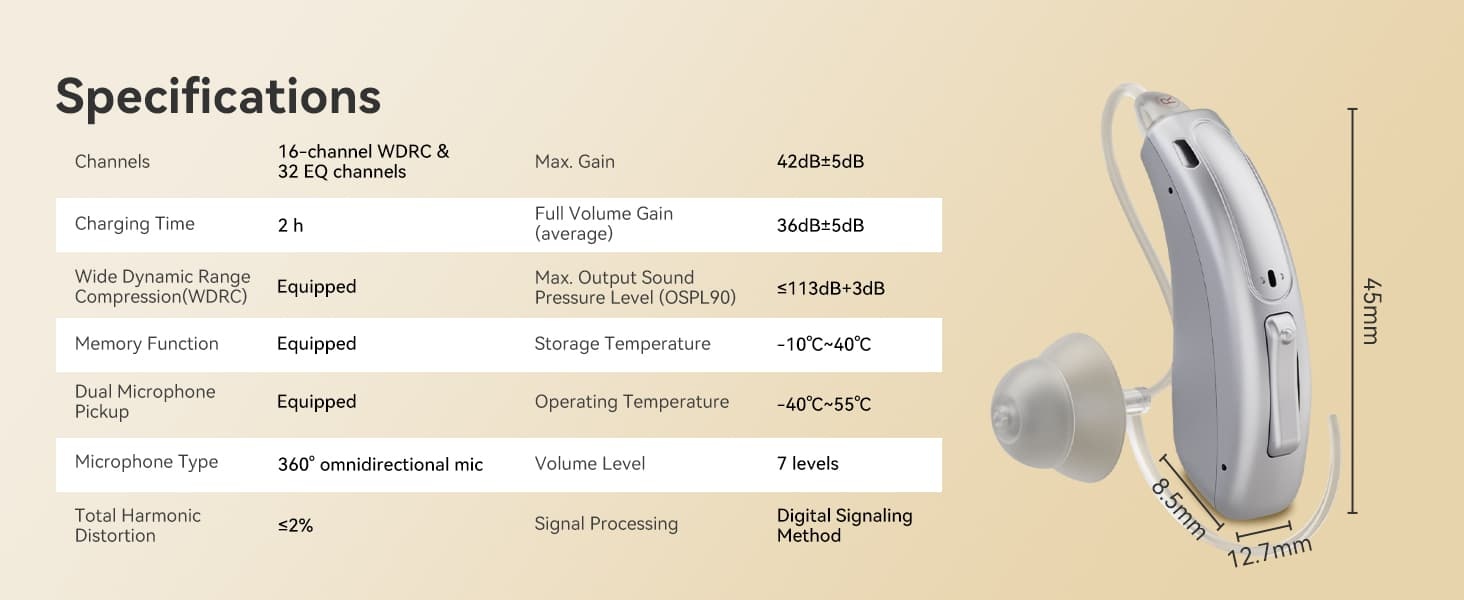
Powered by the onsemi 5900 digital chip, Retekess TE202 has 16-channel WDRC wide dynamic compression. It amplifies faint whispers clearly while softening loud voices naturally, restoring true, lifelike sound fields with a 45dB peak gain and 6 adjustable volume levels.
Q8: Constant ringing in ears (tinnitus) worsens while wearing aids
Hearing loss often accompanies tinnitus; low-quality devices fail to ease buzzing or ringing sensations.
Quick fixes: Take off aids during rest time; use external white noise machines.
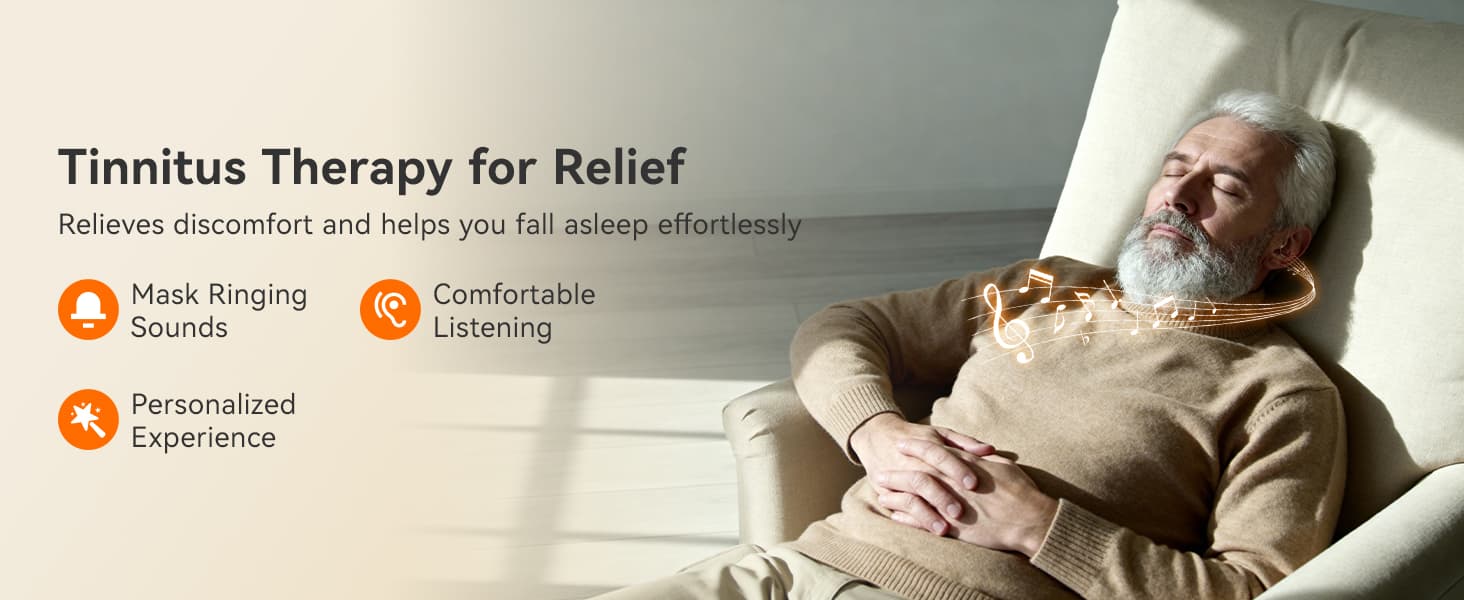
Retekess TE202 adds a built-in tinnitus sound therapy system. Gentle masking white noise reduces brain sensitivity to tinnitus signals during daily wear and sleep, offering long-term relief for neurogenic tinnitus sufferers.
Q9: Earwax and moisture break my hearing aid easily
In-canal CIC/ITE devices sit deep inside the ear, vulnerable to wax blockage and sweat damage.
Quick fixes: Clean domes daily with a dry brush; wipe off sweat after outdoor activities.
Retekess TE202 reaches IP65 dustproof and waterproof rating. The main unit stays behind the ear away from heavy wax buildup, resisting splashes and light rain for daily outdoor use. Note: Do not submerge it for swimming or showering.
Q10: Confusing operation, hard to adjust for seniors
Miniature in-ear aids have tiny buttons that are hard to operate for users with poor eyesight or stiff fingers.
Quick fixes: Practice adjusting indoors with bright lighting; use maximum volume preset.
As a BTE-style device, Retekess TE202 features a larger, easy-to-touch control panel. The simple volume switch and one-key operation design are friendly to elderly users and anyone with limited dexterity.
Final Takeaway
Most hearing aid troubles stem from weak chip performance, insufficient algorithms or flawed hardware design. Instead of wasting time repeatedly troubleshooting low-end devices, pick a well-rounded OTC hearing aid that prevents these issues at source.
Retekess TE202 covers all daily listening demands for mild to moderately severe hearing loss, solving feedback, wind noise, tinnitus, short battery life and discomfort in one device. It’s shipped to all regions of North America and Europe, suitable for first-time hearing aid users and seniors alike.
Disclaimer: OTC hearing aids are for adults with mild-to-moderate perceived hearing loss. Consult a professional audiologist if you have sudden hearing loss, ear pain or discharge.

Comments
There are no customer reviews yet . Leave a Reply !
Leave a Reply